
As late winter softens into early spring, something remarkable begins to happen. The days stretch a little longer. The air carries a hint of warmth. And across our stormwater ponds and shoreline buffers, life quietly stirs.
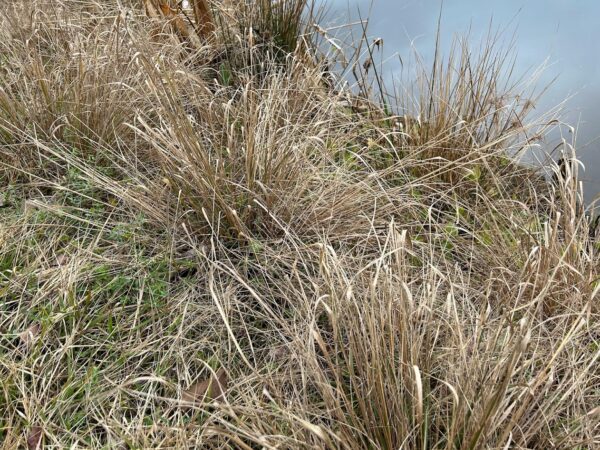
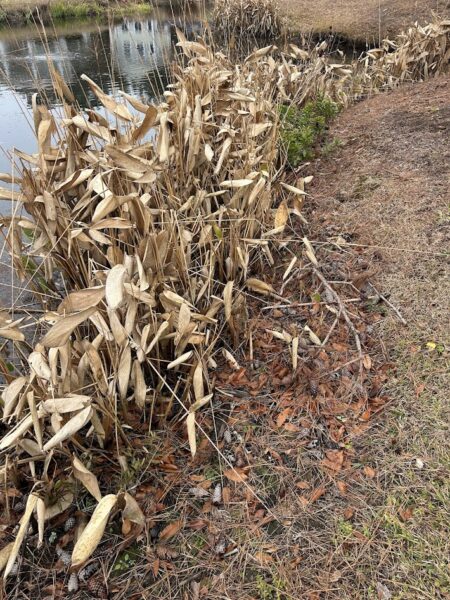
On recent visits to many of our past worksites, we’ve witnessed this seasonal transformation firsthand. What once appeared brown and dormant is anything but lifeless. The fading stems and weathered leaves of last season are slowly giving way to vibrant green shoots pushing upward which is nature’s unmistakable signal that spring has arrived.
But here’s the beautiful truth: that “dead” material you see? It’s doing some of its most important work right now.
The Hidden Value of Dormant Growth
The dried stems, curled leaves, and fallen flower heads left behind through winter form the backbone of a thriving ecosystem.
-
Native bees and pollinators nest inside hollow stems, laying the groundwork for the next generation.
-
Lizards, skinks, salamanders, toads, frogs, and beneficial insects find shelter beneath layers of fallen leaves.
-
Resident and migrating birds feed on dried seed heads, fueling their journeys and early nesting season.
What may look untidy to the untrained eye is actually a carefully woven habitat; one that supports countless species during a vulnerable time of year.
Leaving dormant biomass in place through winter and early spring isn’t neglect. It’s stewardship.
From Habitat to Soil Builder
As fresh green growth continues to rise, last season’s material gradually breaks down and returns to the earth. This natural recycling process forms a rich humus layer that:
-
Improves soil health
-
Retains moisture
-
Reduces erosion
-
Rebuilds pond banks
-
Strengthens plant communities
Each stem that falls becomes part of the shoreline’s future stability. Each leaf contributes to rebuilding what wind and water may have carried away.
Beauty in Every Season
Shoreline buffers aren’t meant to look the same year-round and that’s the point. Every season brings its own aesthetic and ecological purpose:
-
Winter offers structure and refuge.
-
Early spring provides transition and renewal.
-
Summer bursts with lush growth and color.
-
Fall prepares the system for rest and regeneration.
This cycle isn’t just beautiful, it’s essential.
As we watch our projects wake up from winter dormancy, we’re reminded that healthy ecosystems depend on patience and respect for natural processes. Sometimes, the best thing we can do is allow nature to do what it has always done best.
Spring is coming. And along our shorelines, it’s already here. For help preparing your shorelines to thrive in any season, give us a call at 864-934-7922 or email us today.


